FR
FR  DE
DE 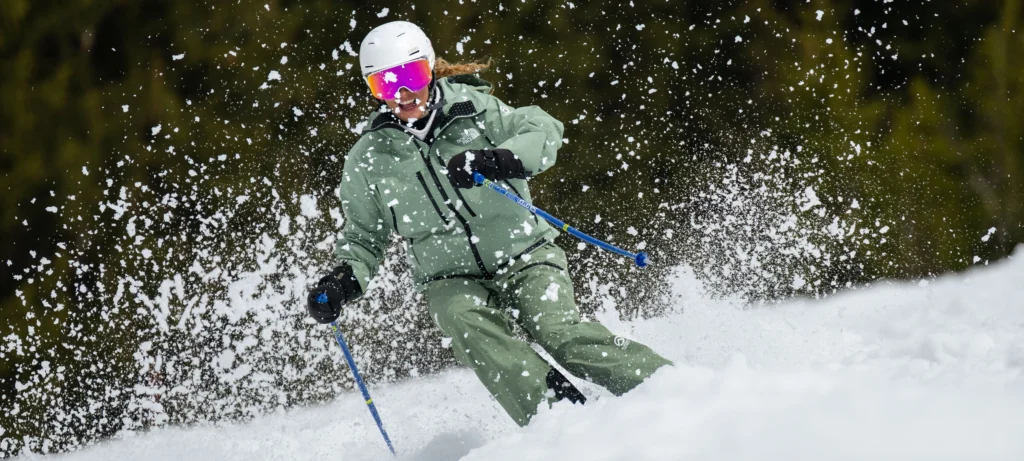
What are variable turns?
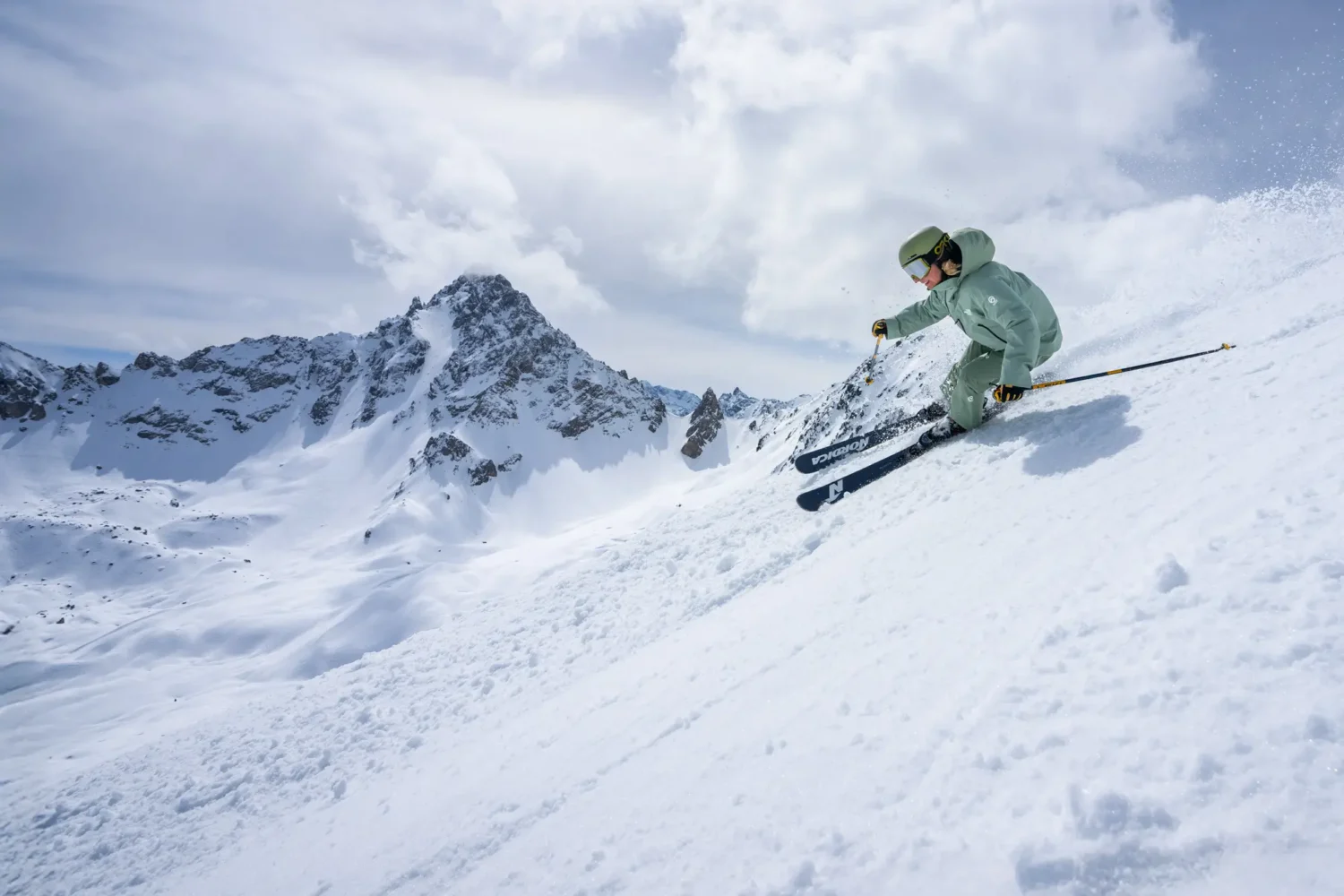
BASI Level 2 Variables involve skiing on a pitch which is a mixture of conditions. When you’re skiing, you may encounter hardpack and soft snow within the same run.
Skiing well in chopped-up snow demonstrates that you can take solid piste fundamentals and apply them beyond ideal conditions.
How variable snow affects you
When you’re skiing your BASI Level 2 Variables, your skis will constantly meet changes in resistance. You’ll find piles of pushed-around snow, wind-affected patches, and softer and firmer sections.
The key is to allow the skis to pass through or over the different terrain without letting it affect you too much. If you become too rigid or defensive, you’ll be less able to ski with any amount of performance or fluidity.
What do examiners look for in your BASI Level 2 Variables?
When you’re skiing BASI Level 2 variables, examiners will be looking for the following on a blue or red steepness slope:
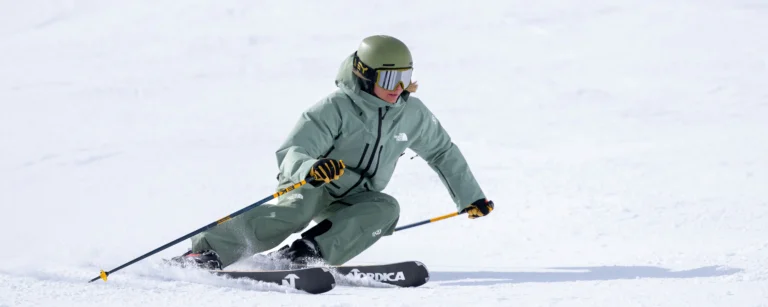
- Rounded, linked turns.
- Show a variety of turn radii.
- Effective posture and balance.
You’ll also receive individual feedback and prompts from the trainer. You must make the suggested adaptations while also achieving the criteria above.
Ski steering mix
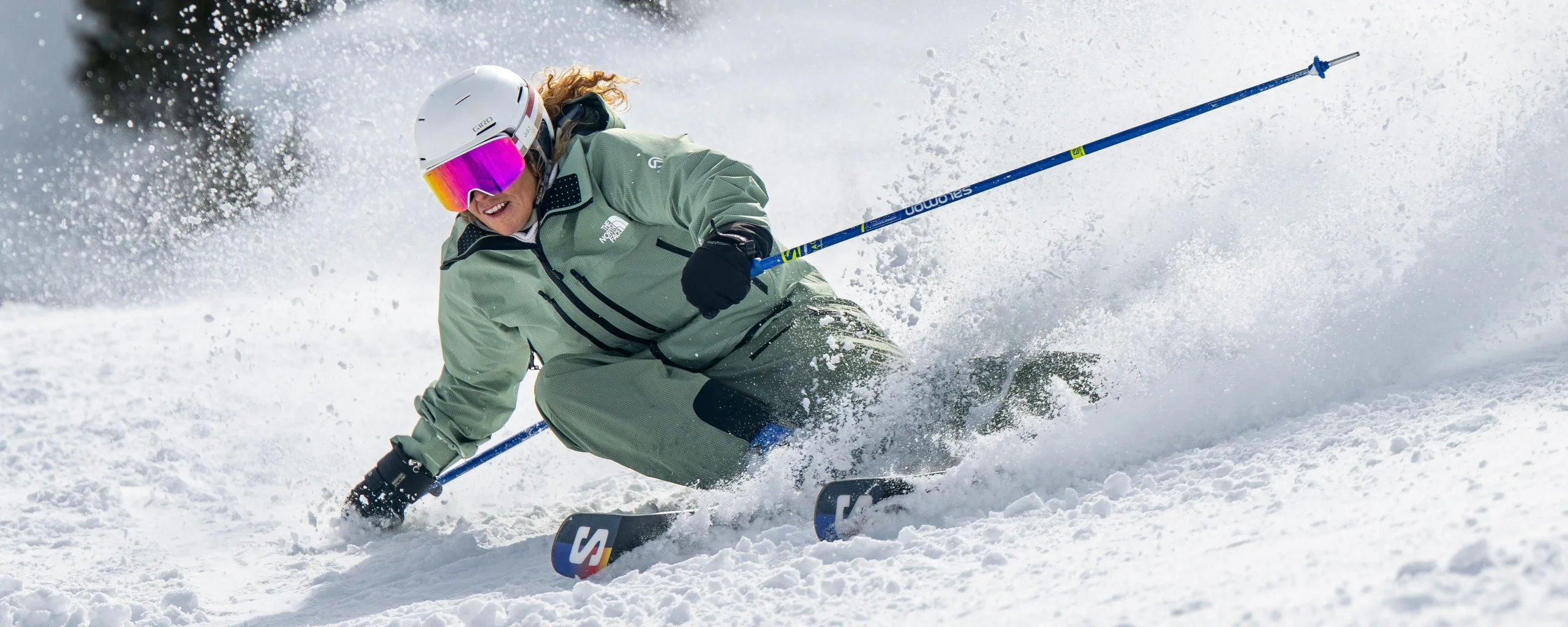
Ski steering mix – This is the ski steering mix you’ll need to use in the variable snow.
Edge control
Edge control in crud is more subtle than on a smooth piste. High edge angles can still be used, but they must be appropriate to the snow conditions. If the variable snow is deeper, use high edge angles on longer turns.
Pressure management
Pressure management is an area that you’ll have to balance carefully. On a groomed piste, strong outside pressure is an important steering element. In variable terrain, you’ll need to balance the pressure between your skis more carefully.
If you ski through deep, soft snow, a more even distribution will prevent your outside ski from sinking too much.
Rotation
The rotation of the ski is a great focus for variable skiing. You should be careful not to rotate them too quickly, as this will cause the skis to skid. In heavy variable terrain, excess skidding may lead to you catching an edge. Your speed control should instead come from turn shape and line choice.
Forcing the skis to quickly change direction or rushing the turn makes the snow feel more difficult than it is. often increases rotation and reduces edge engagement. Patience at the top of the turn and a smooth build-up of pressure are key.
Examiners will also be watching how well you maintain rhythm and continuity. Good skiing in crud looks calm and deliberate, even if the skis are not leaving clean tracks. There should be a sense of consistency from turn to turn, with no sudden changes in posture or obvious reactions to hitting uneven snow. The upper body should remain stable and quiet, with the legs doing most of the work beneath it. This separation shows confidence and technical understanding.
Technical and Tactical focus areas
Upper body stability
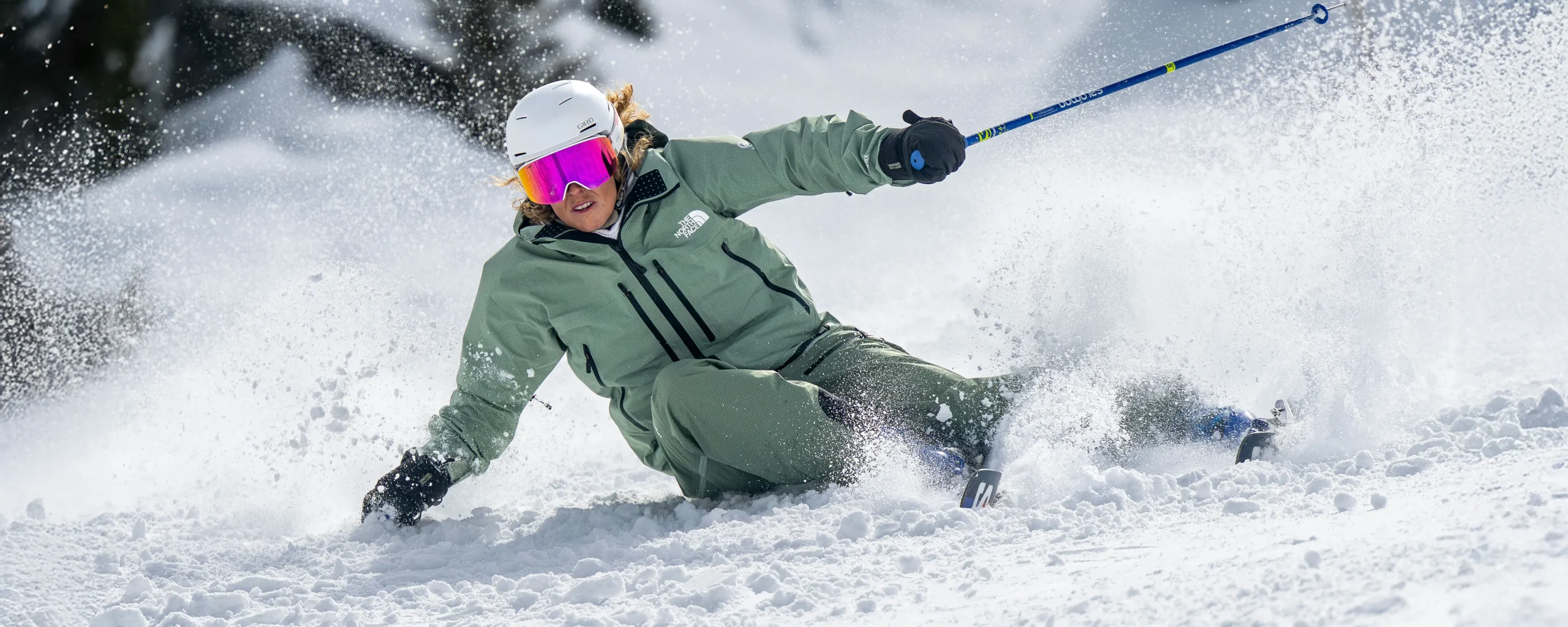
Having a stable upper body is a key area of focus in your BASI Level 2 Variables. The variable conditions are meant to test the fundamentals which you would display in both your long and short turns.
The challenging conditions will throw your upper body around much more than on a piste. This makes upper-body discipline very important. Have a strong core as you ski variable snow. You’ll also want to separate your upper body from your lower body.
Whilst you’ll want to ski with both rotational and lateral separation, you should be careful not to overdo either in variable terrain. If you’re skiing too close to the limit when any rough snow is encountered, you’ll go past these limits.
Stance adjustments
When you’re skiing variable turns, your skis may encounter different snow conditions. If your stance is too wide, then one ski may get slowed down by heavy snow, whilst the other doesn’t. This will make you rotate and possibly cause you to fall.
Aim for a slightly narrower stance, particularly in deeper, heavier snow. This will help the skis to travel through the same type of snow as each other.
In this type of snow, you should also balance the pressure between your two skis more carefully. Excessive outside ski pressure can cause your ski to sink. This will also cause a rotation, which might make you fall.
Fore-aft balance
In your BASI Level 2 Variables, you’ll have your fore and aft balance tested. The constant changing of terrain that you’ll be skiing through means that you’ll experience impacts when hitting snow that slows you down. This makes it key to remain centred on your skis.
Pole Plant
A pole plant is very useful for your BASI Level 2 Variables. When you’re skiing in chopped-up, variable terrain. The pole plant will help you to achieve the following.
1 – Turn symmetry
Your pole plant can act as a metronome. Your pole plant will help you to establish a rhythm and aid in creating turn symmetry. This can be even more challenging in choppy conditions, so having a strong pole plant is crucial.
2 – Upper body stability
As previously mentioned, body stability is a great goal to have. On your BASI Level 2 Variables, you’ll be getting thrown around heavily. A pole plant is a great way to recenter your balance at the start of each turn.
3 – Turn initiation
The pole plant can also help you to unweight your skis. Whilst you’re skiing your BASI Level 2 Variables, unweighting your skis with a pole plant will help you to initiate your turn.
Summary: What examiners expect
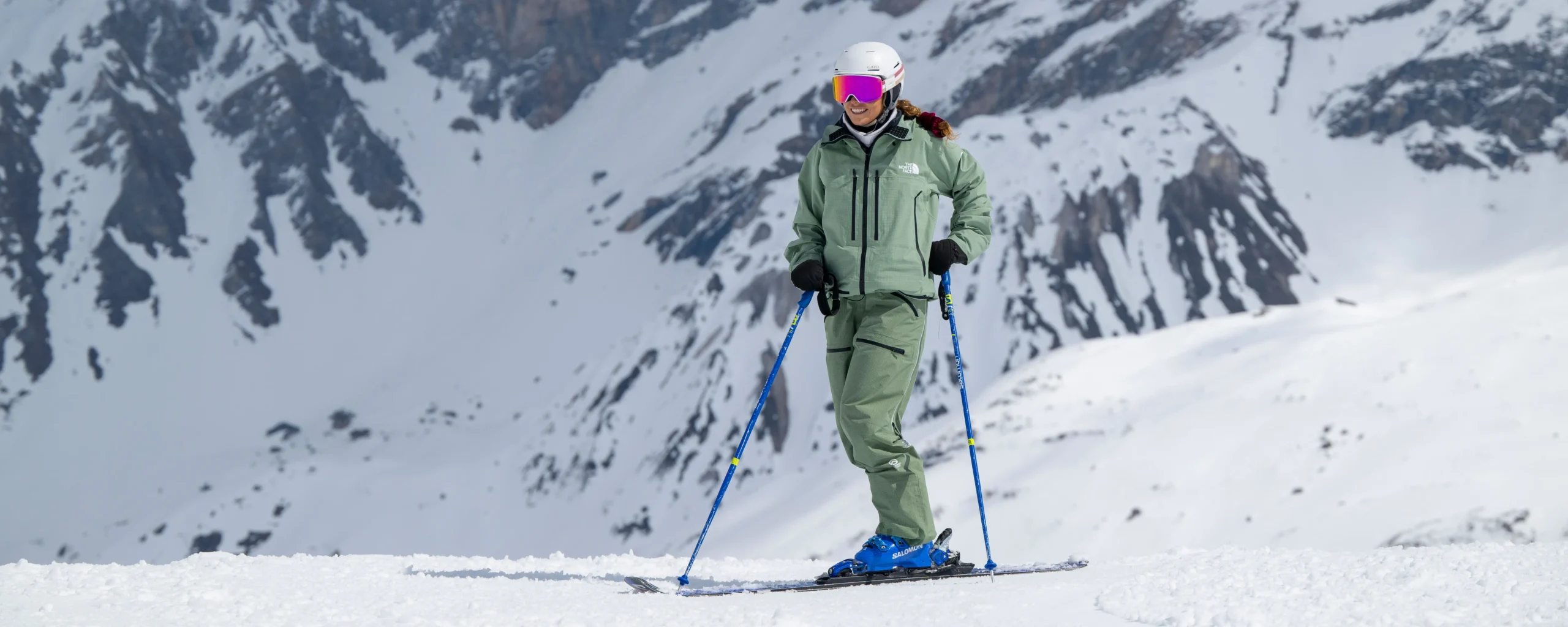
On your BASI Level 2 variables assessment, examiners aren’t expecting flawless turns in crud. Aim for confident, composed skiing. This will show you can apply solid piste technique in difficult real-world conditions.
If you need help getting to grips with your BASI Level 2 variables, check out our instructor courses. Our trainers have over 20 years of experience getting you to the right level to smash your BASI Level 2.
If you’re wondering what BASI examiners look for in the other level 2 strands, check out our article on short turns, long turns and steeps.