FR
FR  DE
DE 
BASI Level 2 is a great stepping-stone to becoming a full-time alpine ski instructor.
Exam Format
- The Level 2 assessment spans 8 days total: 4 days on snow, 2 days mid-course break, then another 4 days on.
- Throughout these 8 days, you’re continuously assessed. It’s important to remember that it’s not a one-day test, but an evolving evaluation. Trainers will help you to develop. You may not be perfect on day one, but your improvement over time matters.
- A typical day on snow runs from roughly 9:00 to 14:00. During this time, you’ll be assessed on the different BASI Level 2 strands.
- From 14:00 to 17:00, you’ll have brief off-snow classroom-based sessions. During the classroom sessions, you’ll review both the teaching and technical course materials. You’ll also watch videos of your own skiing. This will help you to refine teaching and analysis skills.
- As part of the exam, you’re also expected to run teaching sessions. This dual focus on technical skiing and teaching makes the exam unique. You’re assessed as a skier and an instructor.
Prerequisites
Before you undertake the BASI Level 2, you’ll have to complete the BASI Level 1 assessment. You’ll also be required to log a sufficient amount of ski school experience. As part of the level 1, you’ll need to do 35 hours of logged shadowing. Once you’ve completed this, you’ll have to do an additional 35 hours of skiing.
Before starting, BASI recommends that you already have a competent level of skiing. You’ll need to be prepared to teach up to and including parallel standard on marked pistes.
Scoring Criteria – What They’re Looking For
The exam assesses you across three main dimensions. These are Technical Skiing, Teaching Ability, and Professionalism.
Technical Skiing
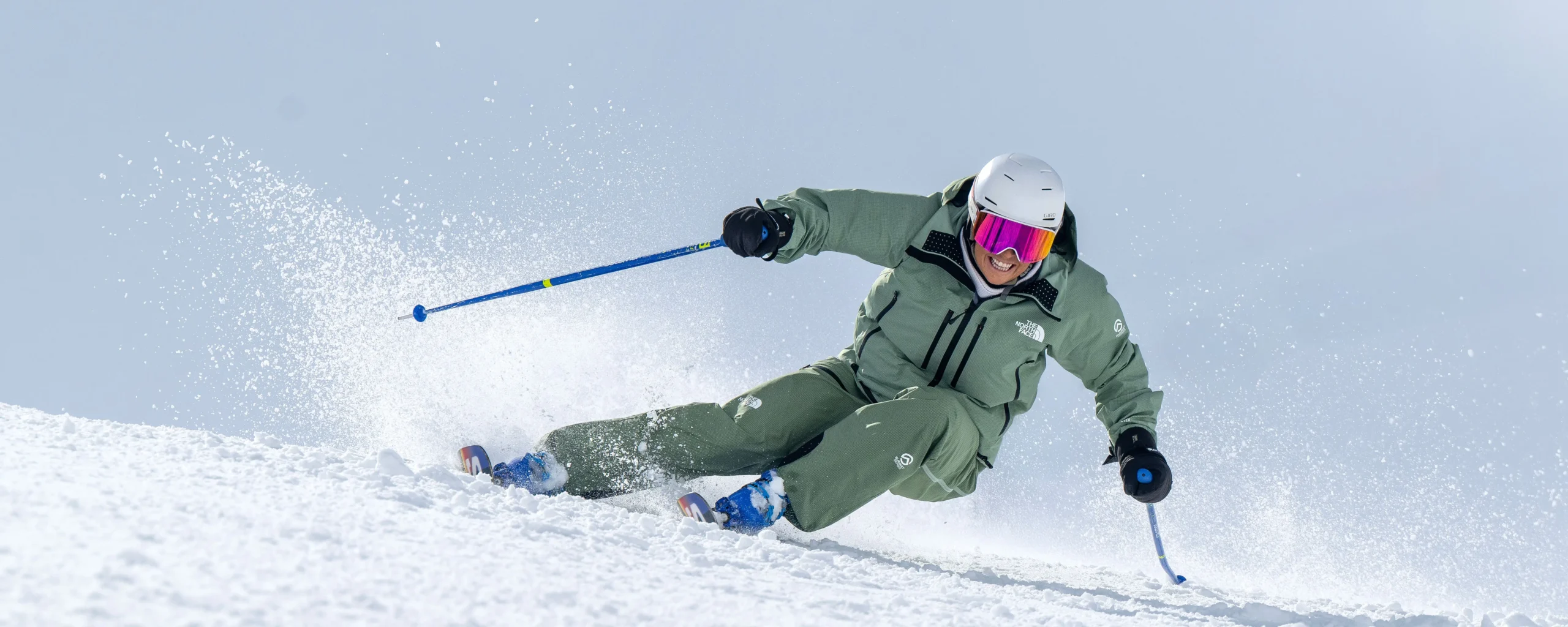
Your technical skiing will be evaluated in different areas. These areas reflect real-world terrain and the demands of skiing. These include:
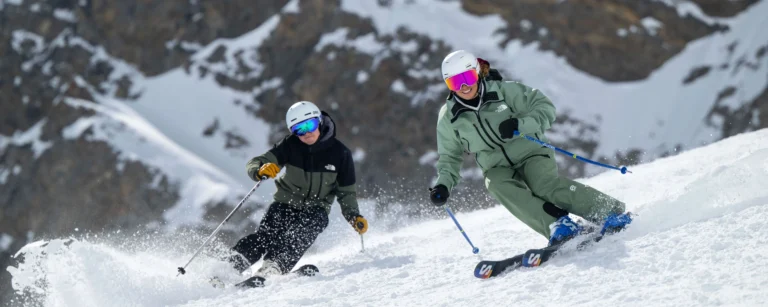
- Piste Short: Short, grippy turns (from the fall line), in various corridors on blue or easy red pistes. Maintaining constant speed, effective posture, balance, and fluid movements.
- Piste Long: Clean carved turns on blue pistes, showing a variety of turn radii.
- Variables: Turns of varying radii in chopped-up ungroomed conditions. This’ll test your adaptability to changing terrain whilst keeping your skiing composed.
- Steeps: Linked turns on steep red or black pistes. You must show speed control and the ability to perform round symmetrical turns.
- Bumps: Continuous, linked skidded turns in easy bump fields. You’ll have to maintain control in a bump field, stay in a set corridor at constant speed.
- Freestyle: Basic but controlled free-style elements. This includes skiing switch safely on an easy blue run with your skis largely parallel. You’ll have to perform a small, safe jump with a balanced landing from a suitable side hit or natural feature.
Teaching Ability

Because BASI Level 2 qualifies you as a ski instructor, teaching is a core aspect of the exam. Trainers will assess you on the following:
- Delivery and Safety. Can you organise a lesson that is safe, enjoyable, and achievable for guests? Lesson safety must come first. Following appropriate protocols for the terrain and guests.
- Understanding. You should be able to set lesson goals matched to learners’ needs. During the session, you’ll teach different stages of the central theme. You’ll need to use the teaching frameworks, such as the “TIED” model.
- Lesson Planning and Review. While “session review” is introduced during the exam, it’s not formally assessed. Effective lesson planning and the ability to improve your sessions are expected.
Professionalism
Finally, your conduct – both on and off the snow is evaluated:
- Safety and Standards Compliance. You must show a full understanding of the Ski-Way and FIS Codes in your skiing and teaching.
- Preparation. Prior coursework must be completed. you’re required to arrive with the necessary equipment and clothing. Pre-course learning must be up-to-date.
- Communication and Attitude. Respectful, inclusive, professional interactions with trainers and peers. Commitment to learning and improvement, openness to feedback.
- Punctuality and Reliability. You must be on time for all sessions and meeting points. Punctuality is a very important part of the job, so examiners take this part seriously.
The assessment isn’t only about your skiing ability. It’s part of the overall evaluation, with your professionalism, attitude, and teaching performance.
You can take a re-assessment if you don’t pass the Level 2 assessment. This can be for either the teaching or the technical aspect of the assessment. You’ll only have to do that exact strand via a shortened 3-day reassessment course.
However, if the professionalism criteria aren’t met, you won’t be eligible for re-assessment. You’ll need to retake the entire course.
Mindset: What It Takes to Pass
Passing BASI Level 2 isn’t only about your technical ski ability. It’s a complete challenge, of both professional attitude and teaching ability.
- Growth Mindset over Perfection: Since assessment is continuous, trainers expect improvement over time. Be open to feedback, willing to change, and resilient in the face of imperfections in the early days. Try to embrace changes to your skiing technique even if they feel strange at first.
- Balance Between Physical Skill and Teaching Ability. You need both strong skiing and teaching skills. You’ll have to ski varied terrain and adapt to learners effectively when teaching. It’s important that you don’t neglect lesson planning, safety, or communication skills.
- Professionalism Off the Snow Matters. Your attitude, punctuality, preparation, and conduct are taken seriously. It’s a professional qualification, not merely a test of skiing.
- Commitment and Preparation Beforehand. Before attempting Level 2, ensure you’re well prepared. You’ll need to have logged enough ski-school hours. You should be confident skiing parallel on piste, and have practised teaching sessions. Rushing into Level 2 unprepared reduces your chances.
- Resilience and Adaptability. Terrain, weather, and objectives can change daily. The best candidates stay calm, focus on the task at hand and adapt their skiing and teaching.
Why the BASI Level 2 Exam Matters
The Level 2 exam sets a high and professional standard. Your goal isn’t only to ski well, but to teach well and conduct yourself well. This gives the examiner that you’ll be a reliable, safe, professional instructor.
As mentioned, the exam combines technical skiing, teaching, and professional conduct. Your success demonstrates readiness to operate in a real-world mountain environment.
Final Thoughts: Approach With Purpose, Practice, and Professionalism
If you’re considering taking the BASI Level 2 exam, you should start feeling confident. This will help you start strong.
The assessment can be challenging, but it is very doable. Success depends on your preparation, response to feedback, and mindset from the very beginning.
Before you do a BASI Level 2 assessment, take enough time to hone your skiing across varied terrain. You need to be confident in communicating the teaching sections of the assessment.
Solid preparation will make achieving your BASI Level 2 a realistic goal.
How to get to the BASI Level 2 standard
The best way to get to the standard of BASI Level 2 short turns is through a training course. These courses offer an intensive way to make significant developments in a short period of time. Our trainers have been helping trainee instructors reach the required level for over 20 years. Explore our BASI Level 2 courses to discover how we can help you reach this level.