FR
FR  DE
DE 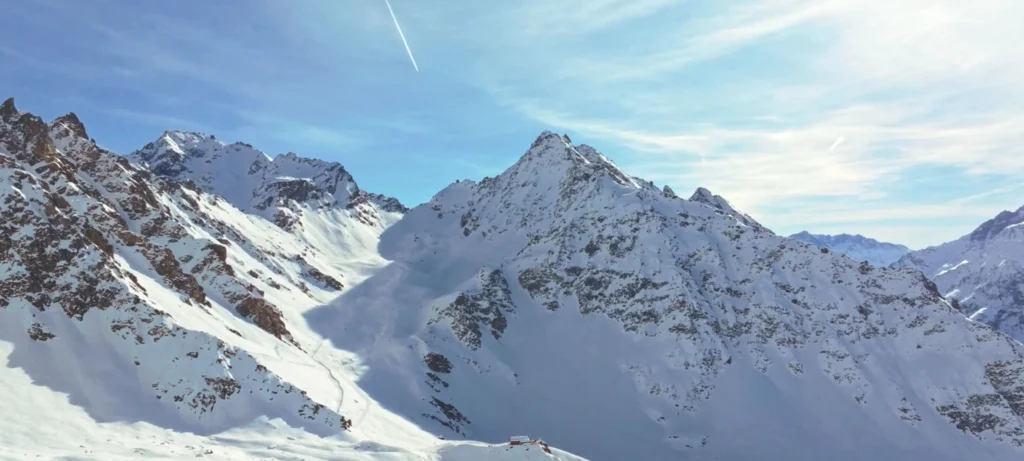
Ready to explore Verbier beyond the pistes? This guide shows you the best of Verbier’s classic off‑piste and touring routes. We’ve also included how to prevent common mistakes and ski more safely.
What to check before you ski off-piste
Before heading out to ski off-piste, review the following.
First, check the live lift and snow status. You can use the Verbier 4 Vallées map for this. If you plan on skiing, itineraries are often closed due to wind, snow, or avalanche risk. It is important that if they’re closed that you don’t ski them.
You should also always read the SLF avalanche bulletin. This is posted around 07:30 each morning. If the danger is elevated, adjust your plans.
Finally, if conditions are challenging or unfamiliar, consider hiring a guide or instructor. It’s the safest way to discover freeride terrain with confidence.
Why Verbier is renowned for off-piste
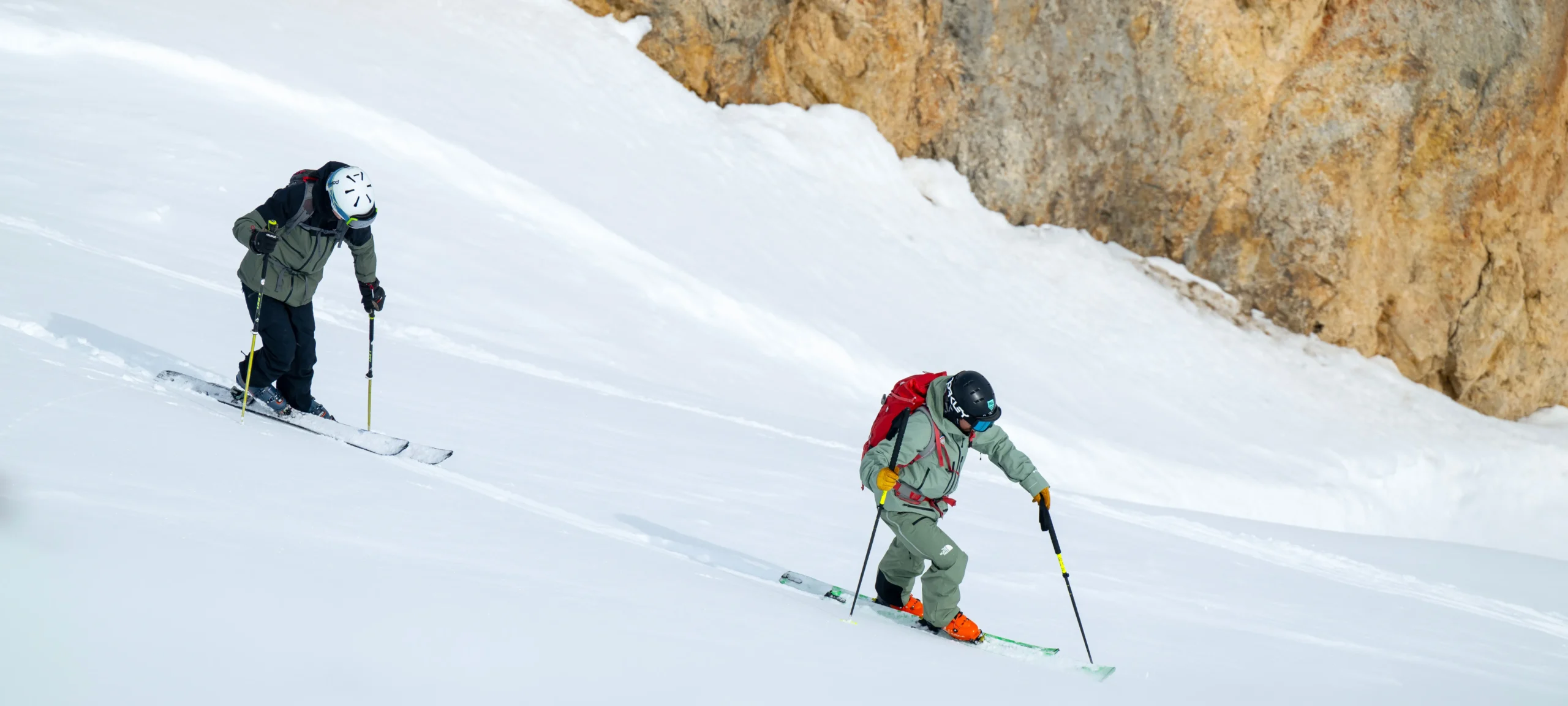
Verbier is famous in the world of freeride skiing, and for good reason. It hosts the final of the Freeride World Tour (Xtreme Verbier) on the imposing Bec des Rosses. A face that pushes the frontier of big‑mountain skiing.
While the general public can’t ski the Bec des Rosses face, it is a great example of how Verbier has earned its reputation as a freeride destination.
Verbier also has a network of seven marked freeride itineraries (“yellow routes”).
These are lift-served and marked out, but they’re always ungroomed. they’re highly dependent on snow and weather.
These itineraries give you the experience of an off-piste route whilst getting to follow a pre-laid out route. Before you ski these check their open/closed status.
Before you get started
Off-Piste and Ski Touring Safety
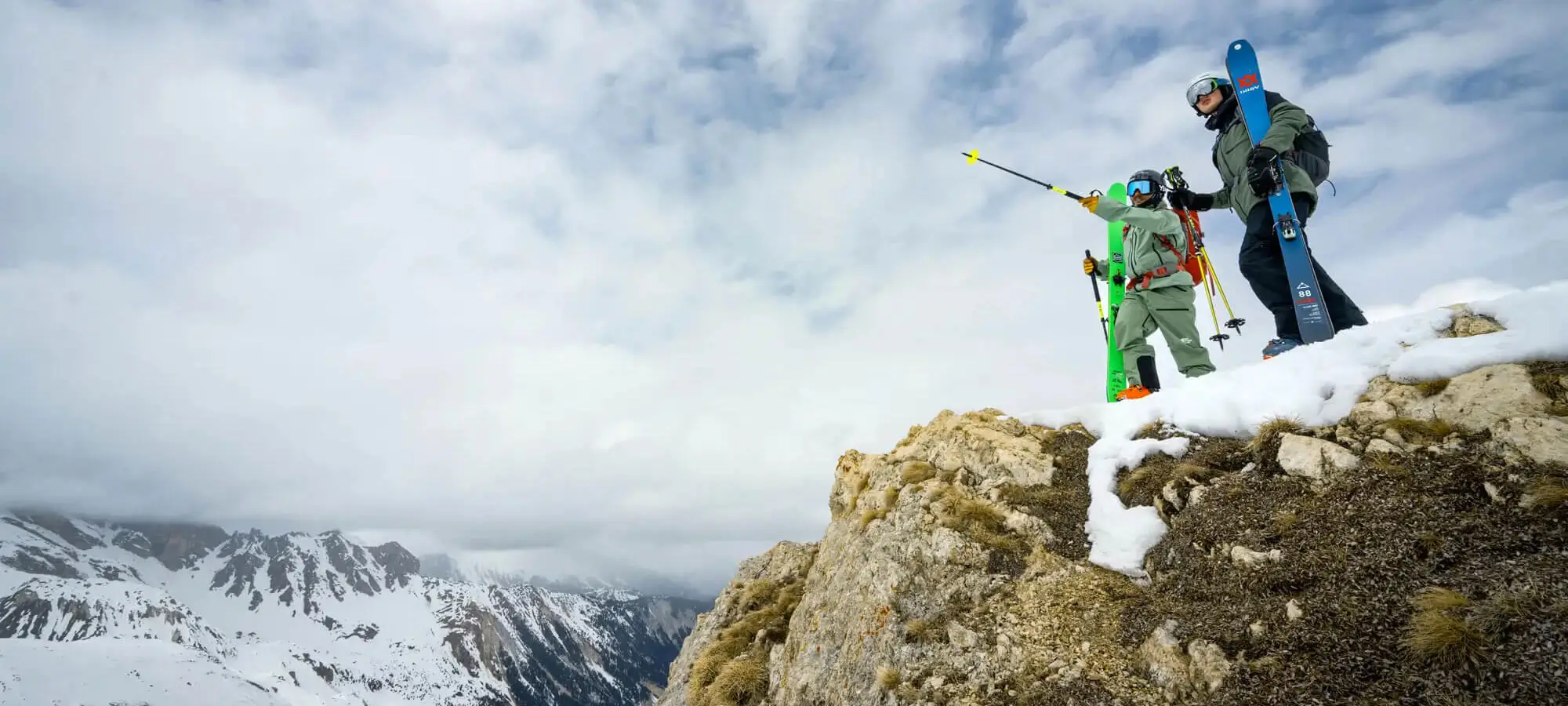
If you’re skiing off‑piste or ski touring, always bring avalanche safety equipment.
Always carry and know how to use your avalanche equipment.
1) Transceiver
2) Shovel
3) Probe
While not considered avalanche equipment, always bring a fully charged mobile phone.
It may be worth considering extras like avalanche airbags and first‑aid kits.
A qualified local guide is also a great idea if you’re pushing into complex terrain or are new to skiing the area.
You can find trusted guides via the Bureau des Guides Verbier or join one of our off‑piste courses.
Save these phone numbers in case of emergency.
1414 (Rega helicopter rescue)
144 (Ambulance Switzerland)
112 (EU emergency)
Downloading the Rega app is a great idea. It allows you to share your GPS location with rescuers if you need help.
Itinerary Routes
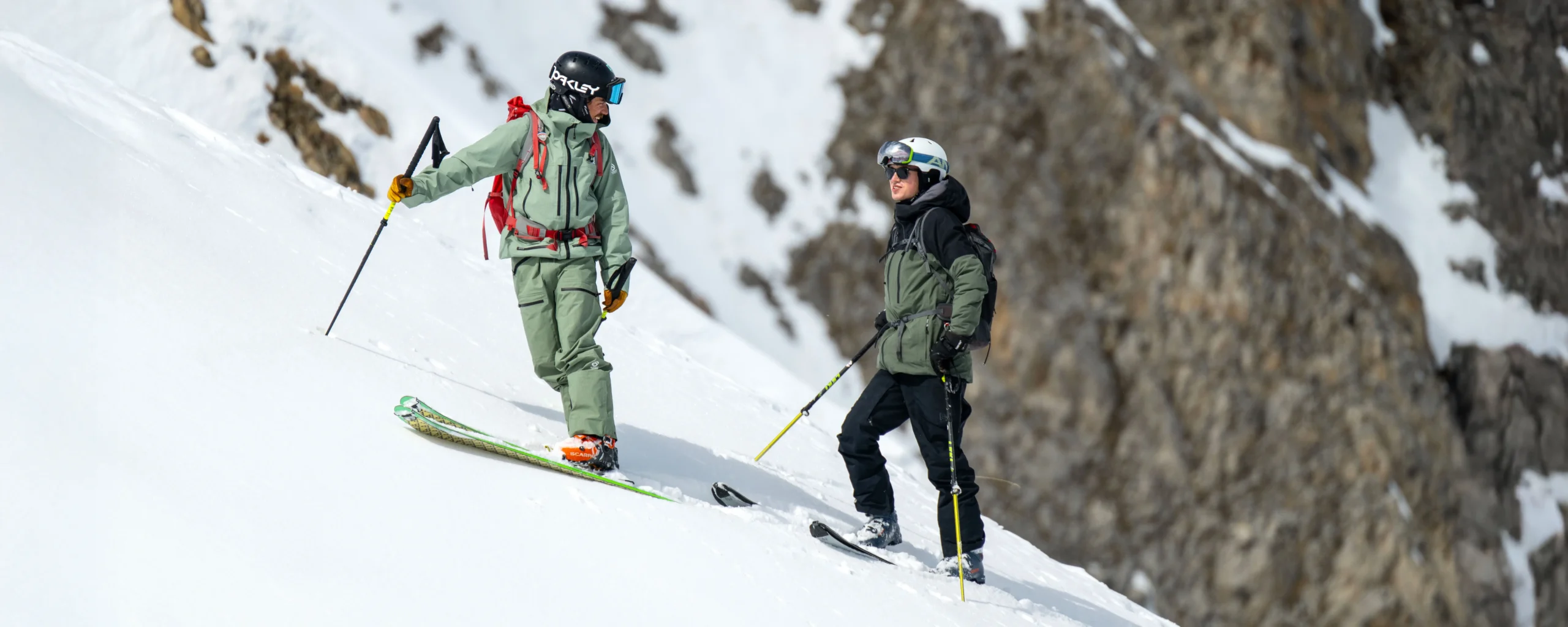
Here are Verbier’s go‑to freeride lines. Always choose wisely and check the avalanche status before dropping.
- Chassoure–Tortin (The “Tortin Wall”). This north‑facing bowl beneath the gondola is often studded with giant moguls. It’s widely regarded as the toughest itinerary in the 4 Vallées. Ideal only for those with strong legs and confident technique.
- Vallon d’Arbi (to La Tzoumaz). Vallon d’Arbi drops you into a wild alpine valley. The valley has a wide range of terrain and scenery including cliffs, open slopes, and forests. It’s avalanche-controlled, but not groomed. Closures do happen. When it is closed, don’t ski it.
- Mont‑Gelé features two main itineraries. The north face descends to Tortin, and the steeper south side slopes towards La Chaux. It’s a highly exposed area, where wind and aspect radically affect snow quality.
- Bruson – Les Otanes (tree lines). When visibility is poor, these tree runs are a local favourite. More forgiving, playful, and sheltered under La Pasay.
Always consider that itinerary routes aren’t pisted, and are subject to closures. Always check live mountain statuses rather than assuming anything.
Off Piste Routes
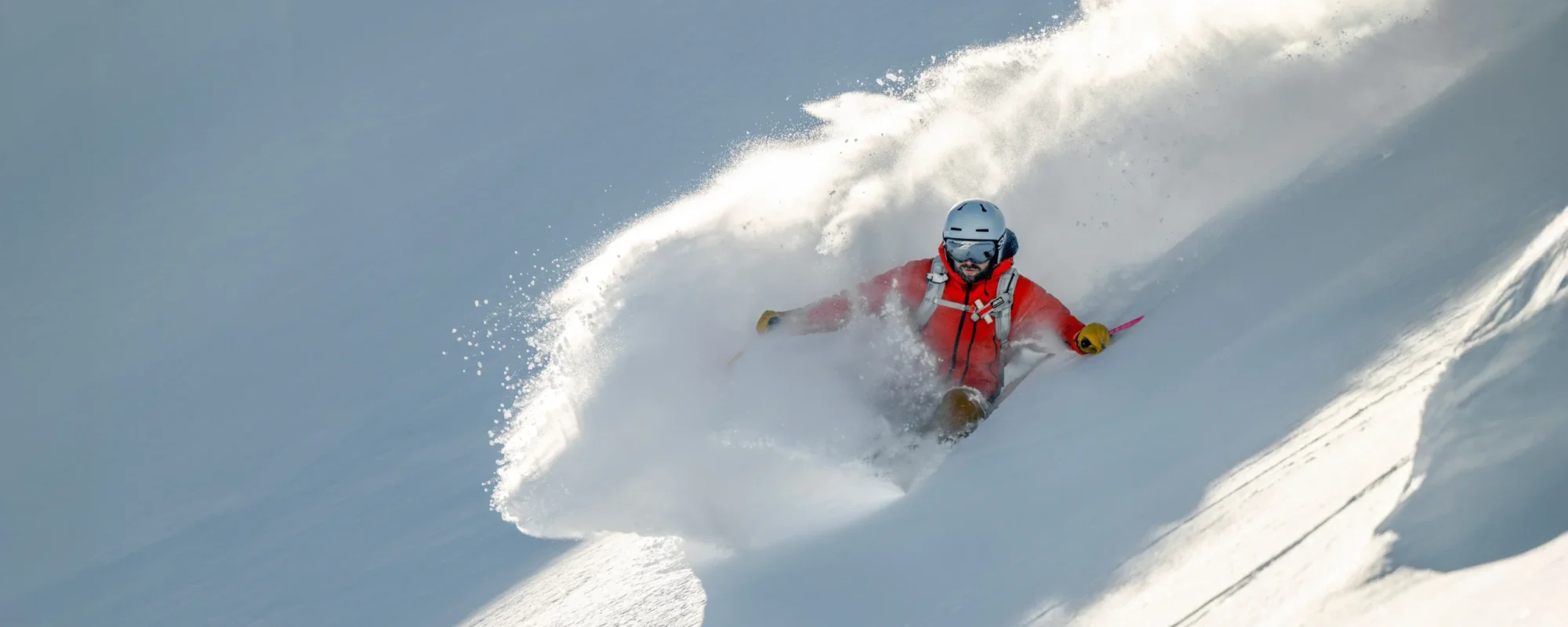
Here are some of our favourite off-piste runs in Verbier for each experience level.
Beginner
Between Taillay pistes
If you want to find your feet off-piste a great place to start is skiing is off the side of the Taillay piste. You can find this blue run in Savolyer. Sticking to the skiiers left you’ll find really accessible off-piste terrain. The Taillay chairlift is at the bottom of this off-piste run making it simple to lap. Rejoin the piste to find the Taillay chairlift. This area is the best early in the morning as it’s accessibility means that it may get tracked out quicker than other areas which are more remote. Even though this area is easy to access you should still bring avalanche equipment with you.
Intermediate
Croix de Coeur
An excellent intermediate route is the Croix de Coeur. This is an easily accessible piste which begins next to the Croix de Coeur restaurant. To get here you can take the 201 Tzoumaz-Savoleyres Gondola then follow the Taillay blue run. Leave the restaurant and traverse to the skier’s left. From here, follow the treeline to the open bowls. This will give you a more technical challenge than the off-piste next to the tail of the blue. You also won’t have the safety net of rejoining the piste either, so be confident in heading off-piste before setting off. That said, the bowl can collect really great powder, and it isn’t tracked out quite as quick as the off-piste by the Taillay blue, so with the right snow conditions, it can be really rewarding. Head down in the direction of the Carrefour area, where you’ll find a new lift.
Advanced
Tournelle – Col de la Marlene
For a more advanced line, use the tournelle chair lift to get up the mountain. When getting off the lift, ensure you keep to the left. This will help you reach the high point on Savolyers’ north side. Taverse to the skier’s right. This will take you to a corner dividing different faces of the mountain. Side step around this corner, and you’ll have full access to the back bowl. This bowl is steep and is often filled with powder.
When you’ve skied the bowl, follow the river at its base. This will lead you to the restaurant La Marlénaz. If you need to catch your breath, this can be an excellent space. Take the summer road back to the Savolyer lift. If conditions are good, you can cross the road and ski all the way to Verbier.
Ski Touring Routes
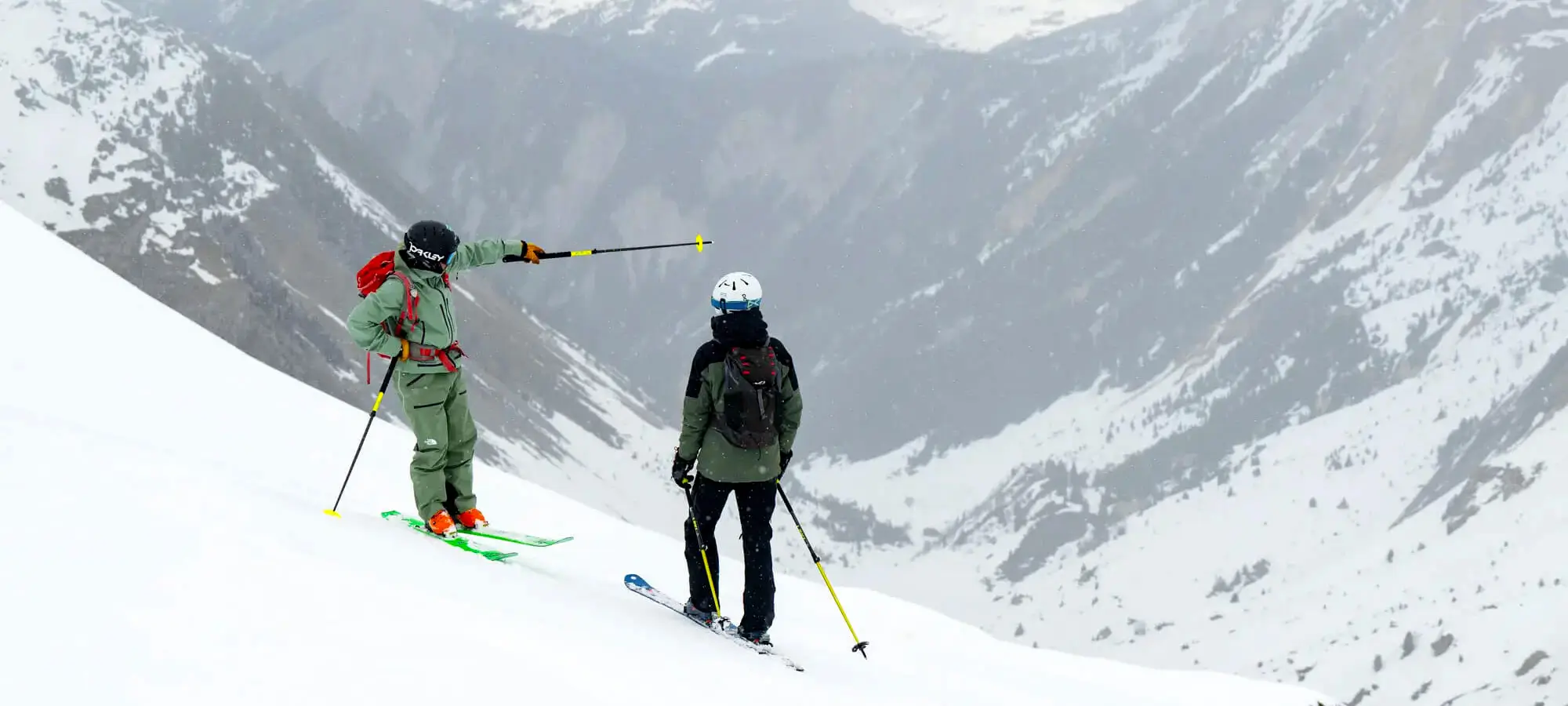
Here’s our pick of touring routes in Verbier for each experience Level.
Beginner Ski Touring Routes
Bruson – Col de Chargerat
Take the lifts to the top of the Bruson area.
From here, hike the ridge towards the Six Blanc peak traverse, then descend to the skiing point. A 30-minute gentle skin will take you to the col. Take time to enjoy the views before descending into the bruson trees and taking the summer road back to the bottom lift.
Intermediate Ski Touring Routes
Summit of the Tete de Payne
This is a longer and slightly more technical continuation of the route above. The beginning section will be the same. However, it continues to the summit of the Tete de Payne. This will add an additional hour with physical demands and technical skills. To participate in this tour, you should be comfortable with kick-turning and sidestepping.
Once you’ve reached the summit, enjoy the descend towards Verbier before you rejoin the snow-covered summer road, albeit much further along.
Advanced Ski Touring Routes
Rock Garden
This route starts near to the Lac de Veux area. From here follow the skin track from the lake towards the arête to the left of Chassoure if you were looking up the slope. This is at least a 1.5-hour ascent. The ascent also includes technical kick turns on an exposed skin track. It’s important that you are comfortable doing this before you commit to this tour. Continue touring until you reach the toop of the pitch near to the summit.
Depending on the conditions you will be far better to ascend the top section on foot. This should be something that you’re prepared to do. Once you reach the top you’ll have several options. The classic line from the top descends to the skier’s left of Chassoure and rejoins the resort at Siviez.
FAQs
Before you get started
We hope this helps you to explore safely beyond the pistes.
Always check the live lift and itinerary status, read the SLF bulletin, and carry an avalanche kit.
If you’re uncertain about skiing off-piste, ski with an instructor or mountain guide.
Book your off‑piste course now or get in touch to build your dream freeride or touring plan in Verbier.