FR
FR  DE
DE 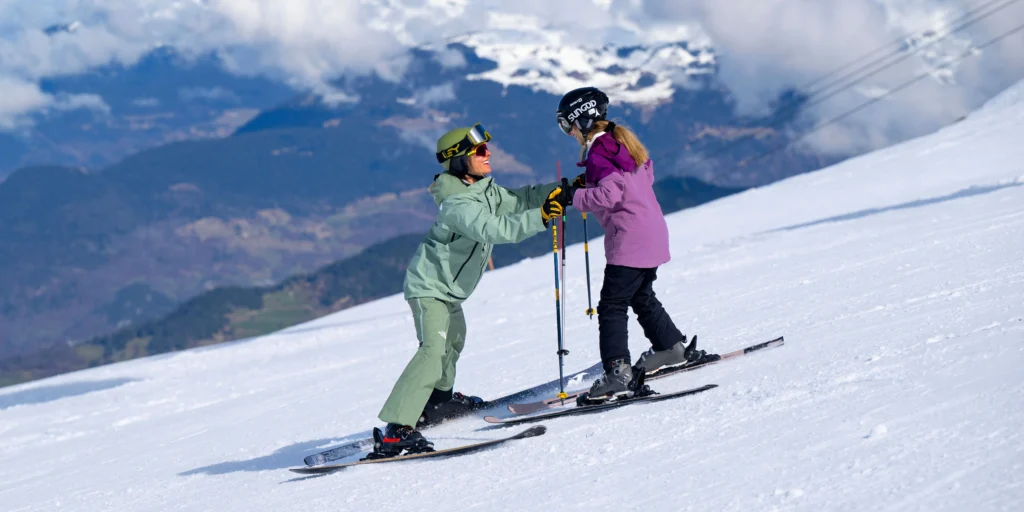
Having the right skiing tips for beginners is essential before stepping onto the slopes. Learning to ski for the first time is an exciting adventure, but it can also feel a little overwhelming. From choosing the correct equipment to mastering your balance and staying safe, a few simple techniques can make a huge difference. As adults, we know that learning a new skill, mainly a sport, can be challenging. But we’re here to assure you that it’s easier than you think. In this guide, Ski New Generation’s expert instructors share practical advice to help beginners build confidence, progress faster, and enjoy every moment on the mountain.
What Are the Top Skiing Tips for Beginners?
If you’re new to the sport of skiing, these simple skiing tips will help you feel confident, safe, and prepared on the slopes:
- Practice in a snow dome first – Indoor snow centres are perfect for learning the basics before heading to the mountains.
- Choose the right ski equipment – Well-fitted boots, skis, and a helmet improve comfort, control, and safety.
- Stay relaxed and confident – Keep your knees bent, trust your movements, and don’t be afraid to take it slow.
- Take professional ski lessons – Qualified instructors help beginners progress faster and avoid bad habits.
- Explore at your own pace – Start on gentle slopes and enjoy discovering the mountain gradually.
- Ski with others – Learning with friends or a group keeps you motivated and ensures help is always nearby.
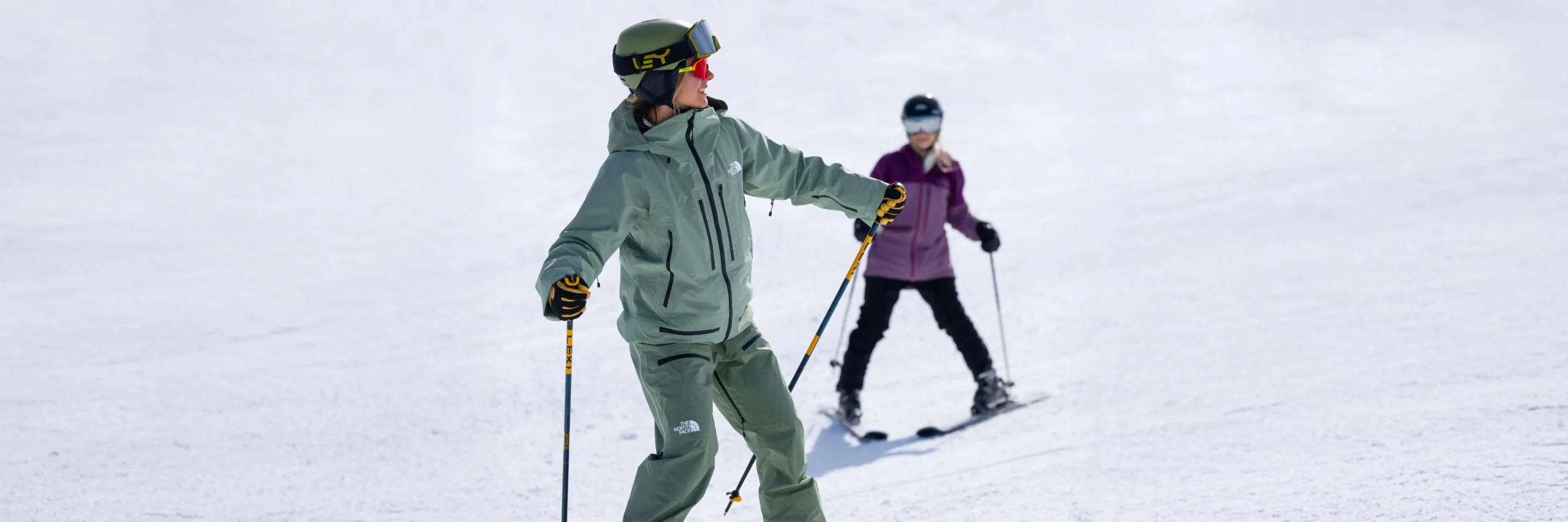
How to Ski? Our Top 6 Ski Tips for Beginners
1. Ski in a Snow Dome
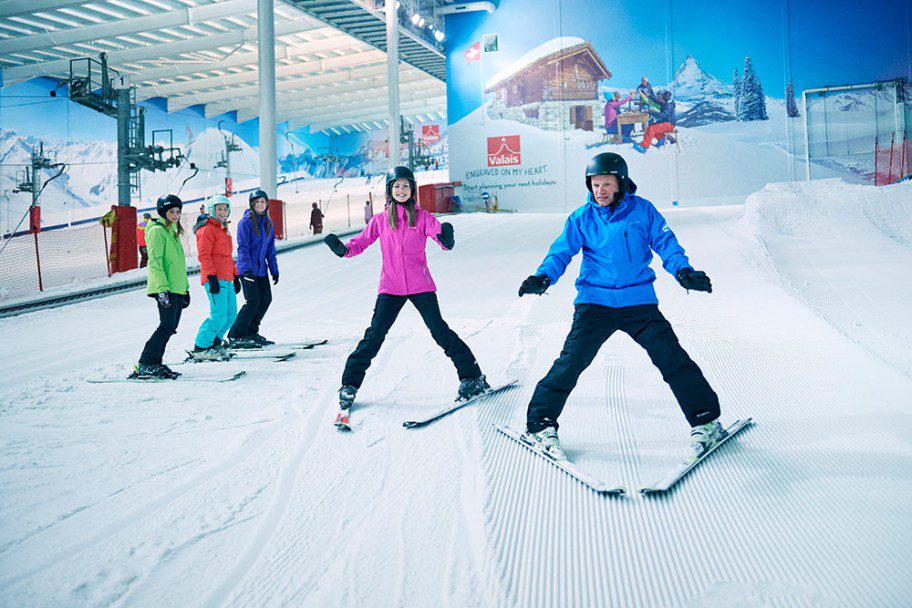
We highly recommend spending some time in a snow dome or on a dry slope before you head out to the mountains on your first ski trip. This is so you can get a head start before any ski lessons and to give you a confidence boost.
You do need to invest in more than just a couple of hours in a snow dome; otherwise, you will not progress out of the beginner’s group once you finally hit the real slopes.
If you are going to commit, ideally you want to be stopping and turning before your trip – as you don’t want to be covering the same skills and drills that you have already learnt on a dry slope. This initial ski experience will do wonders for your next holiday in the ski area.
Two reasons why it’s a great idea to learn how to ski in a snow dome :
- Firstly, Britain is full of snow domes and dry slopes. You’re bound to find one in your area, so take advantage and book a few sessions before you go. Which is best for you? Before you go, have a read of our guide to the pros and cons of indoor & dry ski slopes.
- Secondly, familiarising yourself with the equipment and getting over the initial hump could earn you an extra day of skiing by skipping the waddling around bit.
Book Beginner Ski Lessons at a Snowdome:
- The Snow Centre – Hemel Hempstead
- SnoZone – Milton Keynes, Yorkshire & Basingstoke.
- The Snow Centre (ex Chill Factore) – Manchester
2. Get the Right Ski Boots and Ski Equipment
One of the most important skiing tips for beginners is to make sure your ski equipment fits properly. When you arrive at the resort, you’ll need to collect or rent your skis, ski boots, poles, and helmet from a ski rental shop.
Dressing appropriately for the mountain and having comfortable, well-fitted gear will make learning to ski much easier and more enjoyable. To save time, ski equipment can usually be booked and paid for in advance.
At Ski New Generation, we work with trusted rental partners across Europe. In France, we recommend Ski Set, the largest ski rental supplier in the country, and we offer an exclusive discount code. If you’re skiing in St Anton or Lech in Austria, we partner with Hervis, while in Verbier, Switzerland, we work with Ski Service.
You can view all of our ski equipment discount codes here.
Ski boots are often the biggest concern for beginners. While they may feel stiff and unfamiliar at first, they should never be painful. Your boots should feel snug and supportive without cutting off circulation or causing pressure points.
If your ski boots feel too small, too tight, or uncomfortable, return to the rental shop and ask a boot fitter for help. Most ski shops offer different boot shapes, including options for wider feet, so there’s no need to suffer in silence. Remember, you’re on holiday – and with the right equipment, skiing should be fun from your very first day on the slopes.
Ski equipment to buy before you hit the slopes:
For your first ski trip, you’ll need to buy a few bits of kit beforehand:
- Waterproof ski pants & a ski jacket
- Thermal layer(s)
- Ski goggles
- A helmet
- Ski gloves
- Ski socks
(These items can all be bought in the resort, so don’t panic if you forget – but you will pay a higher price.)
When buying ski socks, we recommend buying a pair of thin ski socks. Thick ski socks are going to cause you problems, so we suggest thin socks, which you can buy before you go from Ellis Brigham.
Here’s a link to what our instructors wear to keep their toes toasty all day long. They may be a little pricey, but they do last and can be worn rolled down for hiking or trail running too so you will get a lot of use out of them.
If you don’t know where to start here is a ski holiday packing list that will help you get started.
You can always buy your own skis and boots, but if it’s your first time, we’d recommend renting to discover if you love skiing enough to invest in the right gear.
3. Why Confidence is Important When Beginning to Ski
Skiing can be a big confidence game. If you learn meticulously and thoroughly at the start, then you will make each advance with confidence and ease. If you rush onwards and skip bits that you don’t like, then when the difficulty ramps up, you may well find yourself struggling on day three and have to go back to the drawing board.
You can’t build a strong house with bad foundations.
A good skiing tip for beginners to help build confidence is to spend time with someone of a similar level. Identify this person at the start of your trip and stick together so you know you’ve always got someone with you, who’s happy cruising at a similar pace.
Ways to boost your confidence skiing
Another way to boost your confidence when beginning to ski, is to plan a direct route on the ski map before you head out. When you’re having your morning coffee at breakfast, pull out a piste map and make a rough plan of where you’re going to ski.
This way, you have a focus and have something to aim for. It will also help you relax, as you’re less likely to be thinking about your technique and more about where you’re going. Meaning you’ll be looking around you, being aware of your surroundings and getting to know your way around.
4. Take Ski Lessons with a Professional Instructor
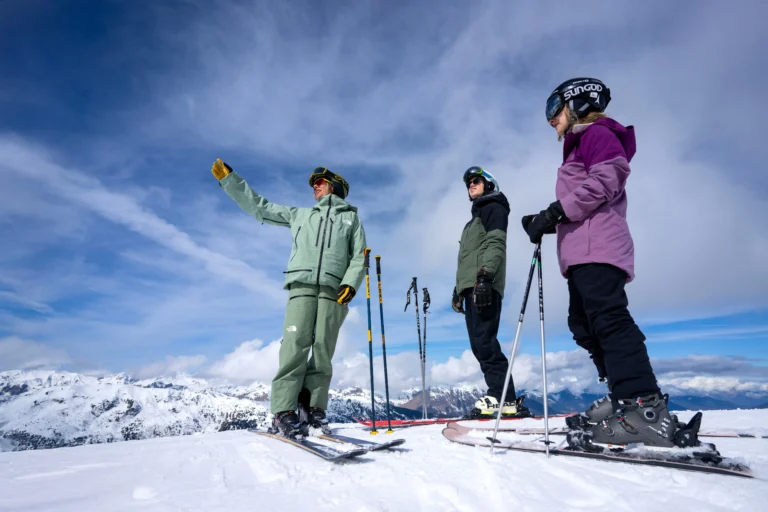
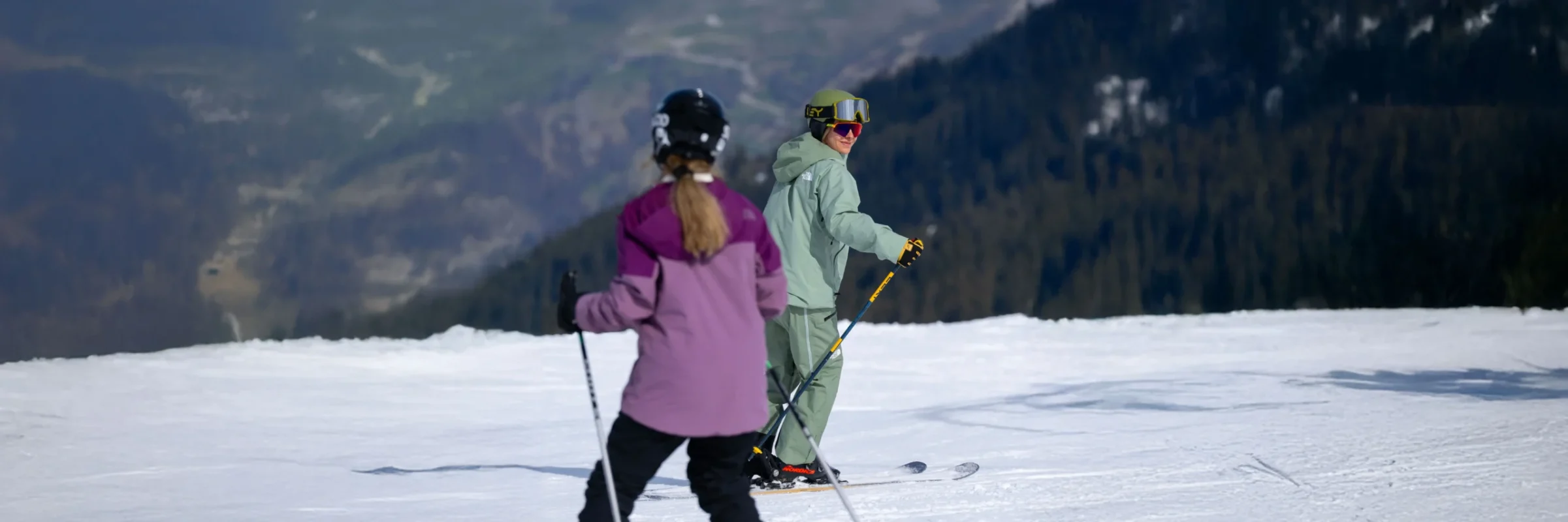
One of the most valuable skiing tips for beginners is to book ski lessons once you arrive in the mountains. While there are many ski schools to choose from, learning with a qualified instructor is the safest and most effective way to build confidence and improve your skiing. The benefits of ski lessons far outweigh the risks, frustration, and fatigue that often come from trying to learn on your own.
Even just a few hours with an experienced ski instructor can make a huge difference. You’ll learn correct skiing techniques from the start, understand what skills are appropriate for your level, and pick up practical tips that will improve your skiing faster.
Learning to ski is physically demanding, especially for beginners, so lessons usually begin on flat terrain or gentle nursery slopes to help you develop skills gradually.
What Beginners Learn in Ski Lessons
During your ski lessons, your instructor will guide you through the essential foundations of skiing, including:
- Correct ski posture and balance – How to stand on your skis with knees bent, feet shoulder-width apart, and weight slightly forward.
- Turning techniques – How to rotate your lower body independently from your upper body to control your direction.
- Understanding ski equipment – How to wear ski boots and trousers correctly, use ski poles, and identify your uphill and downhill ski.
- Slope awareness and safety – Learning ski trail colours, which runs are suitable for beginners, and which slopes to avoid.
- Weight transfer and control – How to shift weight between skis, balance on one ski, and manage speed while turning.
- Ski terminology – Key terms like the fall line (the most direct route downhill) and the outside ski are explained clearly.
- Using ski lifts safely – How different ski lifts work, why the safety bar matters, and how to ride lifts confidently.
With expert guidance, beginners not only learn faster but also enjoy skiing more from day one – making ski lessons an essential part of any first ski holiday.
What you’ll learn:
- The correct posture i.e how you stand on your skis with your legs shoulder width apart and lean forward. How you can rotate your lower body beneath your upper body to turn your legs.
- You’ll be introduced to the equipment, how to have your ski trousers over your ski boots instead of tucked in, how to use ski poles, which is your uphill ski, which is your downhill ski, which colour ski trails you should be looking out for, and which you want to avoid.
- How to shift more weight from your left foot to your right foot and how to balance on one ski. Your ski instructor will also explain how it affects your turn shape, your balance and helps control your speed when changing direction.
- You’ll get to grips with ski lingo, like the ‘fall line’ (the most direct route down the hill in a straight line) and the ‘outside ski’.
- Your instructor will teach you about the different types of lifts, and how to use them, why the safety bar is important, and how to be safe.
Do I really Need a Ski Instructor?
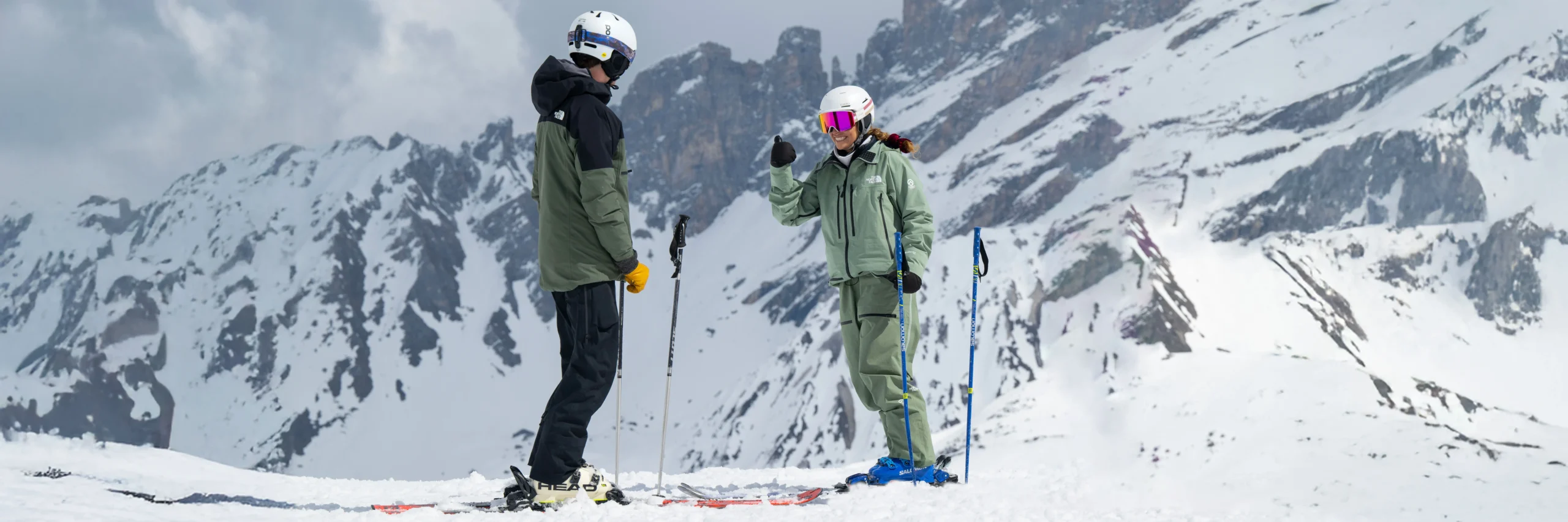
Ski Instructors love sharing their passion for the mountains with others, and want to help you to learn how to ski. For first-time skiers, ski instructors will teach you how to carry your skis with ease, how to navigate icy patches, bumpy bits and help you know which ski runs are harder than the colour on the sign – for example.
Your instructor is there to hold your hand and give you the confidence boost you probably didn’t think you needed. Plus, lessons are only a few hours in the morning, so you’ve still got time to ski with family and friends, catch them for lunch and practice your newfound skills. You’ll be expert skiers in no time at all! First-time skiers… who?
Book ski lessons with New Generation Ski School today.
5. Explore the Slopes and Have Fun
One of the most important skiing tips for beginners is to take time to explore and enjoy the slopes outside of lessons. Don’t rush into more difficult runs; focus on practising what you’ve learned and repeating those skills until you feel confident. It’s perfectly normal for every turn not to be perfect; each run gives you a chance to improve. Remember, skiing is meant to be fun, so take breaks when you need them and enjoy your time on the mountain.
Skiing as a Family
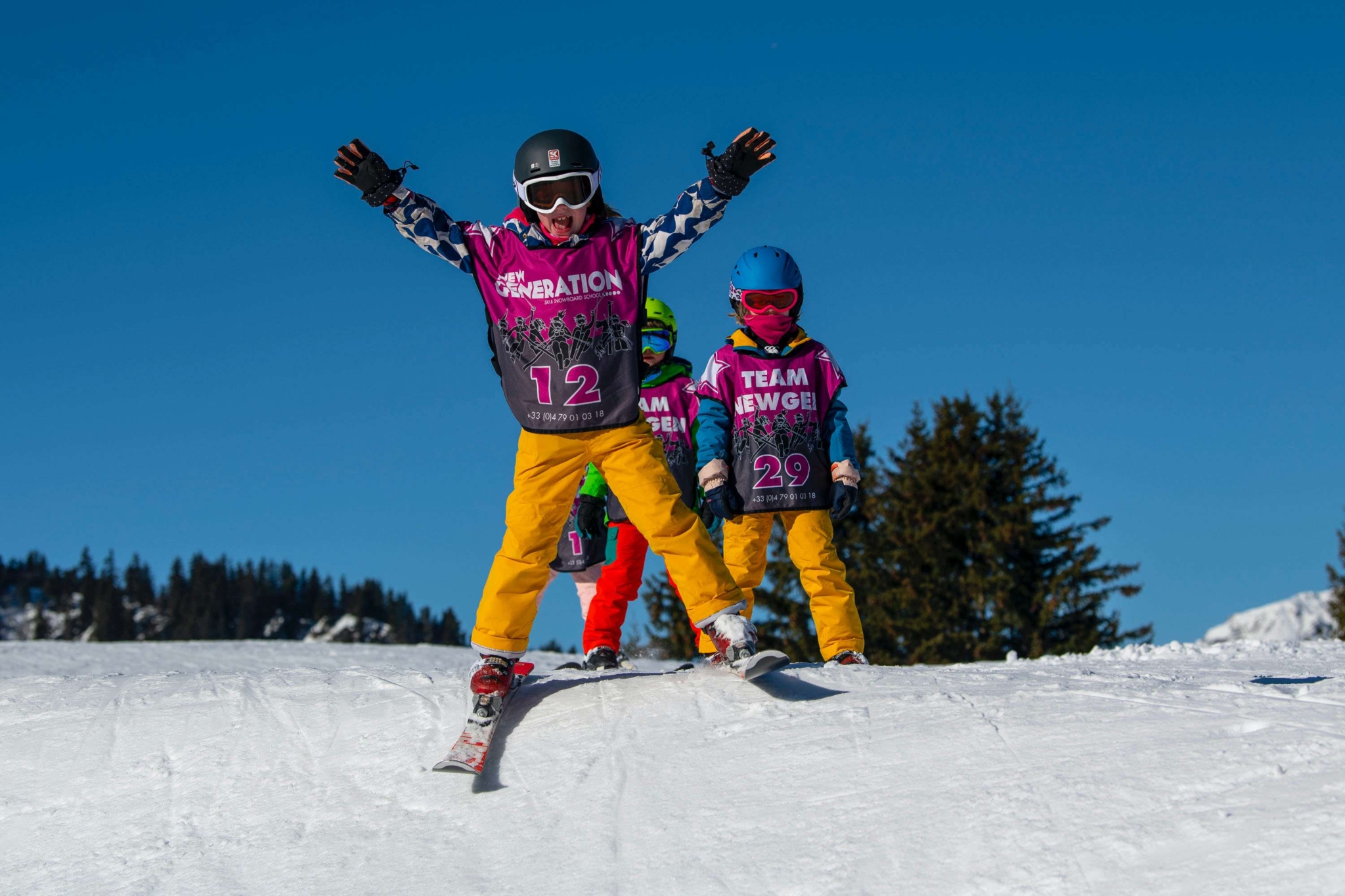
If you’re skiing with children who are also beginners, spend time on the slopes together outside of lessons. Kids often progress quickly and will be excited to show you what they’ve learned in their kids’ ski lessons. Don’t worry if they seem more confident – they learn fast because they aren’t afraid to try.
Start on gentle slopes and let them help navigate the piste map. Watching your children gain independence while skiing is not only impressive but also truly rewarding for the whole family. Sharing these moments creates lasting memories and helps everyone, young and old, enjoy their ski holiday even more.
6. Don’t Go It Alone
A vital skiing tip for beginners is to avoid learning entirely on your own. While some people may succeed without instruction, most beginners risk developing bad habits, frustration, or even injuries if they try to figure it out alone.
Hiring a professional instructor or joining a ski school ensures you learn proper technique from the start. It saves time, builds confidence, and prevents common mistakes that are much harder to fix later. Even if you want to save money, going it alone often costs more in the long run – through lessons needed to correct errors, or worse, potential injuries.
Learning with guidance also means you don’t have to rely on YouTube tutorials, trial and error, or asking friends to check your form on the slopes. With the right support, your ski holiday becomes safer, more enjoyable, and far less stressful—plus, everyone around you will thank you!
Ski Resorts for Beginner Skiers
It’s also wise to choose the right resort carefully. Some resorts are better catered to beginner skiers than others. You’ll want to choose a ski resort with gentle ski slopes and a good beginner’s area. You can usually get a good idea from glancing at a piste map, looking for lots of green slopes and blue slopes.
Many ski resorts are more suited to advanced skiers, but resorts are working hard to re-landscape parts of the mountain to make them more beginner-friendly.
Take a look at our list of beginner-friendly ski resorts here.
There are undoubtedly numerous other tips to help that first week on skis run smoothly, but these should help heighten your chances of you falling in love with this exhilarating sport! Find out loads more helpful info about learning how to ski.